


The Kitakyushu Urban Centre (KUC) conduct research and promote programmes with a primary focus on zero carbon, circular economies, nature positive and the Sustainable Development Goals (SDGs). We aim to act as a local hub in these four areas in close collaboration with local and national authorities, private companies, universities, civic groups, international organisations and other stakeholders. We are also engaged in capacity building and supporting the transfer and implementation of Japan’s exceptional environmental technologies and expertise overseas in collaboration with Kitakyushu and other municipalities in Japan and cities overseas. We also organise lectures and talks at schools and to community groups, and collaborate with local companies and organisations to contribute to building sustainable societies.
News
See more updates
Students from Nagasaki University and Universiti Putra Malaysia (UPM) visited IGES!
Activity report
Symposium on Forest and Peatland Fire in Indonesia 2025
Aug. 2024 Mission to Indonesia (Demonstration)
May. 2024 Training in Kitakyushu City
Apr. 2024 Mission to Indonesia
Feb. 2024 Mission to Indonesia
Oct. 2023 Mission to Indonesia
Aug. 2023 Mission to Indonesia (Verification experiment)
Zero Carbon
Efficient and effective solutions to different challenges can be identified by encouraging exchange between cities on the theme of decarbonisation. We promote decarbonisation in cities overseas by supporting exchange between cities in Japan and other countries. We also help in developing human resources through inspection tours, trainings, and raising awareness through seminars and related events in addition to promoting the transfer of technology that feature both know-how from local governments on environmental management as well as corporate solutions.
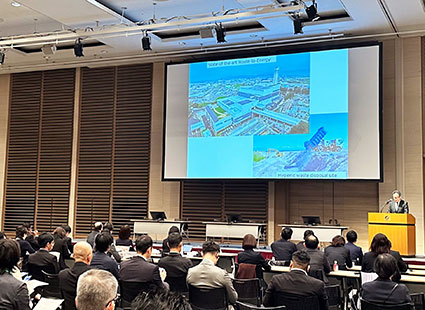
Collaboration for Zero Carbon Society’ programme
(Seminar on City-to-City Collaboration for Zero Carbon Society 2025)
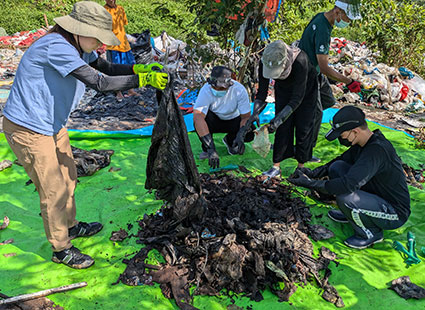
(On-site waste composition survey of the City-to-City Collaboration for Zero Carbon Society’ programme)
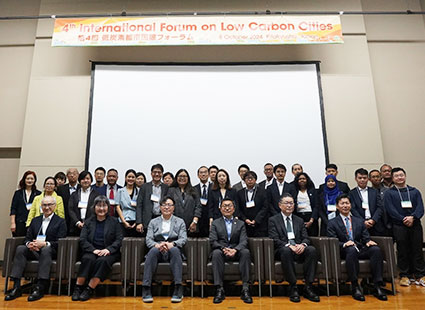
(Attendees at the Fourth International Forum on Low Carbon Cities)
Collaboration between local authorities and stakeholders in the community (residents, businesses, other) is an indispensable part of efforts to take tangible actions in decarbonising the region. We are promoting decarbonisation by raising awareness among a diverse set of local stakeholders and developing human resources.
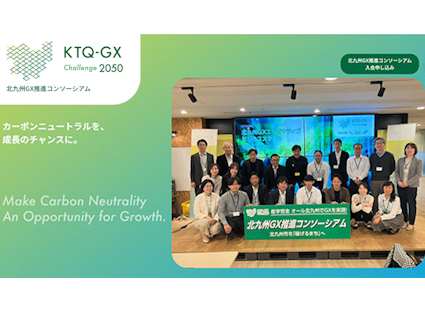

(Student speaker presenting at the workshop)
Circular Economy
The linear economic system of mass production, consumption and disposal has devastating impacts on the environment. It results in waste generation, pollution and biodiversity loss. Addressing such environmental issues requires a shift towards a circular economic system that promotes the recycling of resources. We are working in collaboration with international organisations, municipalities, universities, businesses and other stakeholders to support the formulation of policies at the local level and develop tangible projects to accelerate the transition to a circular economy (CE).

(Waste management manual developed with support from IGES)

(Interviews with local farmers)
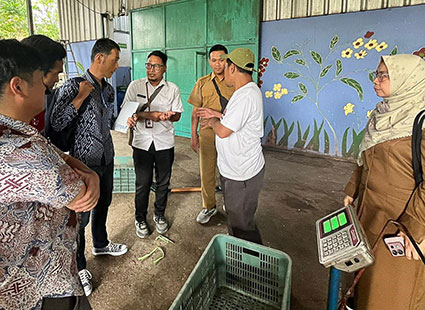
(Site visit to the municipal recycling centre)
Resource Circulation organised by Kitakyushu City
Nature Positive
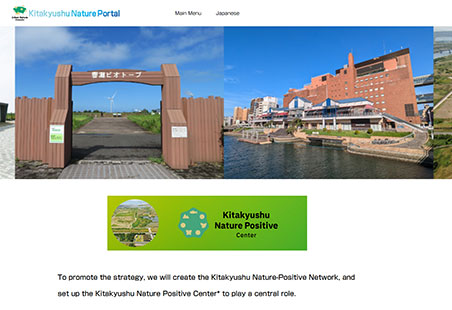
A society where people and nature thrive together is increasingly guided by the concept of “Nature Positive”—reversing biodiversity loss and putting nature on a path to recovery. Businesses and local communities are now expected to integrate this perspective into more sustainable management practices and regional development. Working closely with Kitakyushu City and a broad range of stakeholders, we are advancing initiatives that help bring nature positive solutions to life across the region .

SDGs
The world aims to achieve all 17 goals and 169 targets of the Sustainable Development Goals (SDGs) by 2030. Guided by the principle of ‘leaving no one behind,’ the SDGs call for action not only from national governments, but also from local authorities, businesses, schools, organisations and citizens, with all stakeholders expected to play a role within the limited time remaining. We are working to promote the SDGs as a common global language in a way that is easily understood at the local level, and are committed to localising the SDGs by adapting and applying the goals in ways that suit local contexts as a means of integrating and resolving regional challenges.

(Symposium on Forest and Peatland Fire in Indonesia)


(Training programme in Kamikatsu Town, Tokushima Prefecture and Minamata City, Kumamoto Prefecture)
Related Publications




Related Events
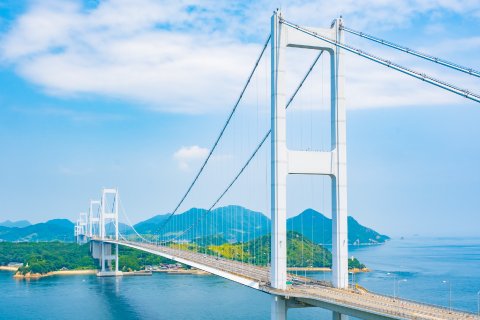
Seminar on City-to-City Collaboration for Zero Carbon Society 2026
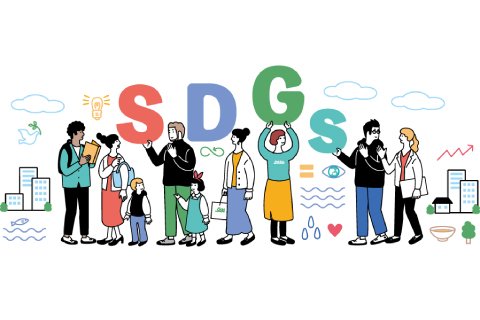
Kitakyushu SDGs Training 2025 - Learn from Local Frontrunners and Think Synergistic Impacts

Workshop on 1.5°C Lifestyles in Kitakyushu 2025 - Want to try a practical cooking class that helps mitigate global warming?
Related Projects
UNFCCC COP Special webpage
Online Voluntary Local Review (VLR) Lab
IGES Activity on COP29
Related News

IGES Signed a Cooperation Agreement with Circular Regions to Promote Circular Economy from Regional and City Perspectives

【ISAP2021】 The 13th International Forum for Sustainable Asia and the Pacific “The Decisive Decade: Towards Integrated Solutions to Climate, Biodiversity and Other Planetary Challenges”


